


Welcome to the

Blue Canyon Private Game Reserve
Hoedspruit | South Africa
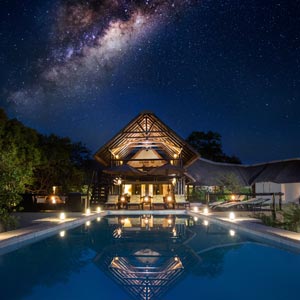
The VUYANI SAFARI LODGE is the ideal destination for the discerning traveller who is seeking a truly different and exclusive safari experience in South Africa, far away from the hustle and bustle from city life.
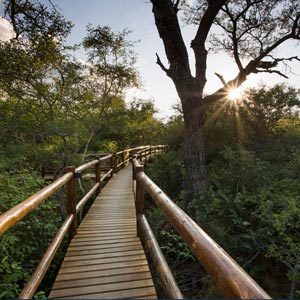
Located on the Blue-Canyon Private Game Reserve, in the valley of the elephants, at the beginning of the African Ivory trail in the Greater Kruger Park area, often referred to as the cradle of humankind.
The VUYANI SAFARI LODGE is a commercial boutique lodge offering a unique experience of relaxing holiday atmosphere and safari adventure, tracking animals in the African Bush.
special offers
Looking for something special?
You got it!
Check out all of Vuyani's unbeatable direct deals!
Save Big! Get a Quote
At VUYANI we strive to give you the best value for money possible. We do not have the cheapest rates advertised out there, but if you look into it and compare us to anyone else you will struggle to find a better deal.
VUYANI rooms
Simply beautiful
The VUYANI SAFARI LODGE currently has a total of ten rooms. three Luxury suites, five Chalet (Honeymoon) Suites and two Presidential suites. We also have a family unit (owner's apartment) which is a loft flat with two bedrooms each with en-suite bathroom.


VUYANI Rates
Understanding our rates
Rates per person, not per room.
At Vuyani we are dedicated to give you the best value for money possible. We are not the cheapest but if you compare us to anyone else, you will struggle to find a better deal. No hidden charges, no made up fees or taxes on arrival, and all-inclusive means just that. Meals, Drinks, Taxes, Conservation Fees/Charges, and two Safaris per day! (@ 6am and 4pm)
But: Card Charges apply for any MasterCard and Visa Payments on location. (up to 3.7%) ... bummer, but we accept cash, in ZAR, USD, GBP and EUR
Save Big! Get a Quote
VUYANI Safari Lodge Rates
| Room: | 3-4 nights: | 5 nights & more |
|---|---|---|
| Luxury Suite |
$330
Min 2 Max 3 guests
|
$280
Min 2 Max 3 guests
|
| Honeymoon Suite |
$345
Min 2 Max 3 guests
|
$295
Min 2 Max 3 guests
|
| Presidential Suite |
$395
Min 2 Max 4 guests
|
$335
Min 2 Max 4 guests
|
| Family Flat Has 2 bedrooms
|
$260
Min 2 Max 5 guests
|
$220
Min 2 Max 5 guests
|
| Room: | 3-4 nights: | 5 nights & more |
|---|---|---|
| Luxury Suite |
£270
Min 2 Max 3 guests
|
£230
Min 2 Max 3 guests
|
| Honeymoon Suite |
£280
Min 2 Max 3 guests
|
£240
Min 2 Max 3 guests
|
| Presidential Suite |
£320
Min 2 Max 3 guests
|
£270
Min 2 Max 3 guests
|
| Family Flat Has 2 bedrooms
|
£210
Min 2 Max 3 guests
|
£180
Min 2 Max 3 guests
|
| Room: | 3-4 nights: | 5 nights & more |
|---|---|---|
| Luxury Suite |
$465
Min 2 Max 3 guests
|
$395
Min 2 Max 3 guests
|
| Honeymoon Suite |
$480
Min 2 Max 3 guests
|
$410
Min 2 Max 3 guests
|
| Presidential Suite |
$560
Min 2 Max 3 guests
|
$475
Min 2 Max 3 guests
|
| Family Flat Has 2 bedrooms
|
$365
Min 2 Max 3 guests
|
$310
Min 2 Max 3 guests
|
| Room: | 3-4 nights: | 5 nights & more |
|---|---|---|
| Luxury Suite |
€300
Min 2 Max 3 guests
|
€255
Min 2 Max 3 guests
|
| Honeymoon Suite |
€310
Min 2 Max 3 guests
|
€265
Min 2 Max 3 guests
|
| Presidential Suite |
€360
Min 2 Max 3 guests
|
€310
Min 2 Max 3 guests
|
| Family Flat Has 2 bedrooms
|
€235
Min 2 Max 3 guests
|
€200
Min 2 Max 3 guests
|
| Room: | 3-4 nights: | 5 nights & more |
|---|---|---|
| Luxury Suite |
R5,700
Min 2 Max 3 guests
|
R4,850
Min 2 Max 3 guests
|
| Honeymoon Suite |
R5,900
Min 2 Max 3 guests
|
R5,000
Min 2 Max 3 guests
|
| Presidential Suite |
R6,850
Min 2 Max 3 guests
|
R5,800
Min 2 Max 3 guests
|
| Family Flat Has 2 bedrooms
|
R4,450
Min 2 Max 3 guests
|
R3,800
Min 2 Max 3 guests
|
| All rates are per person per night | |||
|---|---|---|---|
| * all rates are based on a minimum of 2 guests sharing. | |||
| Single surplus is 50%. | |||
| Rates do not apply between Dec 19th - Jan 2nd & Aug 1st - Oct 31st | |||
| Credit Card charges apply for payments on location! | |||
| Children: minimum 11 Years old! | |||
Our Rates
Mean Value For Money
At Vuyani we have a simple policy when it comes to pricing.
No made up charges, no hidden gate fees and all taxes are included.
What does this mean? Simple, no BS!
-
All Inclusive
- All Meals, all Drinks, Free Minibar
- 2x Safaris per day (in English)
- All taxes are included!
- No hidden Gate/Conservation Fees
- Hoedspruit Airport Transfer included!
-
Not included:
- Flights are not included Credit Card Charges apply on location
activities
Full Day Road Trip
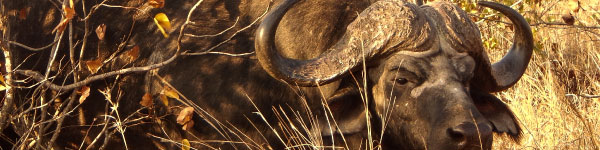
by VUYANI
Discover The Kruger
Duration: 10-12h
(You'll miss 2 game drives)
Hightlights:
Large herds 
Afternoon Trip
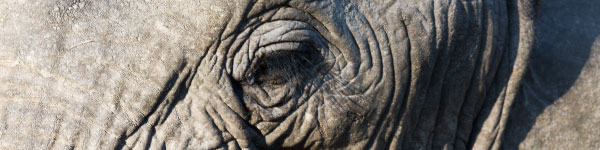
@ Elephant Whispers
Afternoon Trip
Duration: 4.5h
(in-between gamedrives)
Hightlights:
Elephant Ride
Lunch Time Trip
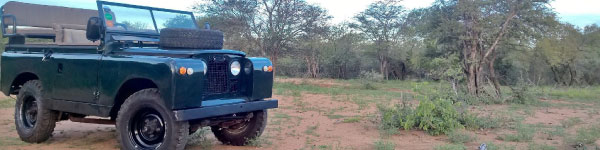
by VUYANI
Safari & Picnic
Duration: 3h
(in-between gamedrives)
Hightlights:
Romantic Picnic
Morning Trip
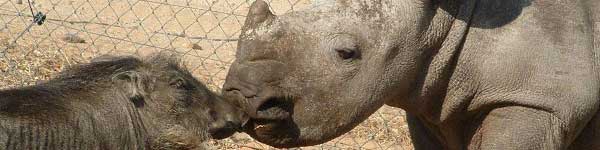
@ Moholoholo
Morning Trip
Duration: 4h
(Sleep In)
Hightlights:
Cheetahs, Eagles
Full Day Road Trip
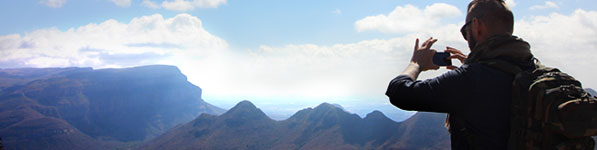
by VUYANI
Sightseeing
Duration: 8h
(You'll miss 2 game drives)
Hightlights:
Mindblowing Views
Morning Trip5am Start!

@ Sun-Cathers
Soar above Africa
Duration: 3h
(You'll miss 1 game drive)
Hightlights:
Obvious really ...
Afternoon Trip
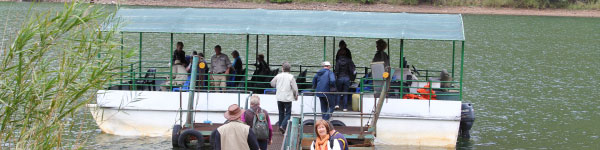
@ Blyde-River Canyon
Trip&Excursion
Duration: 3.5h
(in-between gamedrives)
Hightlights:
Waterfalls, Hippos
Afternoon Trip
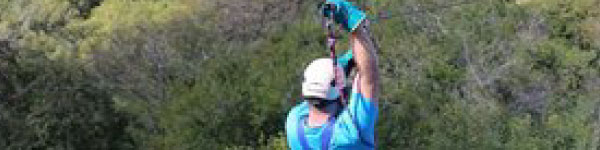
@ Canopy Tours
Zipline
Duration: 5-6h
(You'll miss 1 game drive)
Hightlights:
Adrenaline Rush
Afternoon Trip

@ Hoespruit Air Field
Afternoon Trip
Duration: 1-2h
(in-between gamedrives)
Hightlights:
Fly over the reserve
Afternoon Trip

@ Shangan-Village
Afternoon Trip
Duration: ~2h
(in-between gamedrives)
Hightlights:
Shangaan Dancers
transfers
How to get to Vuyani South Africa
By Plane or Transfer?
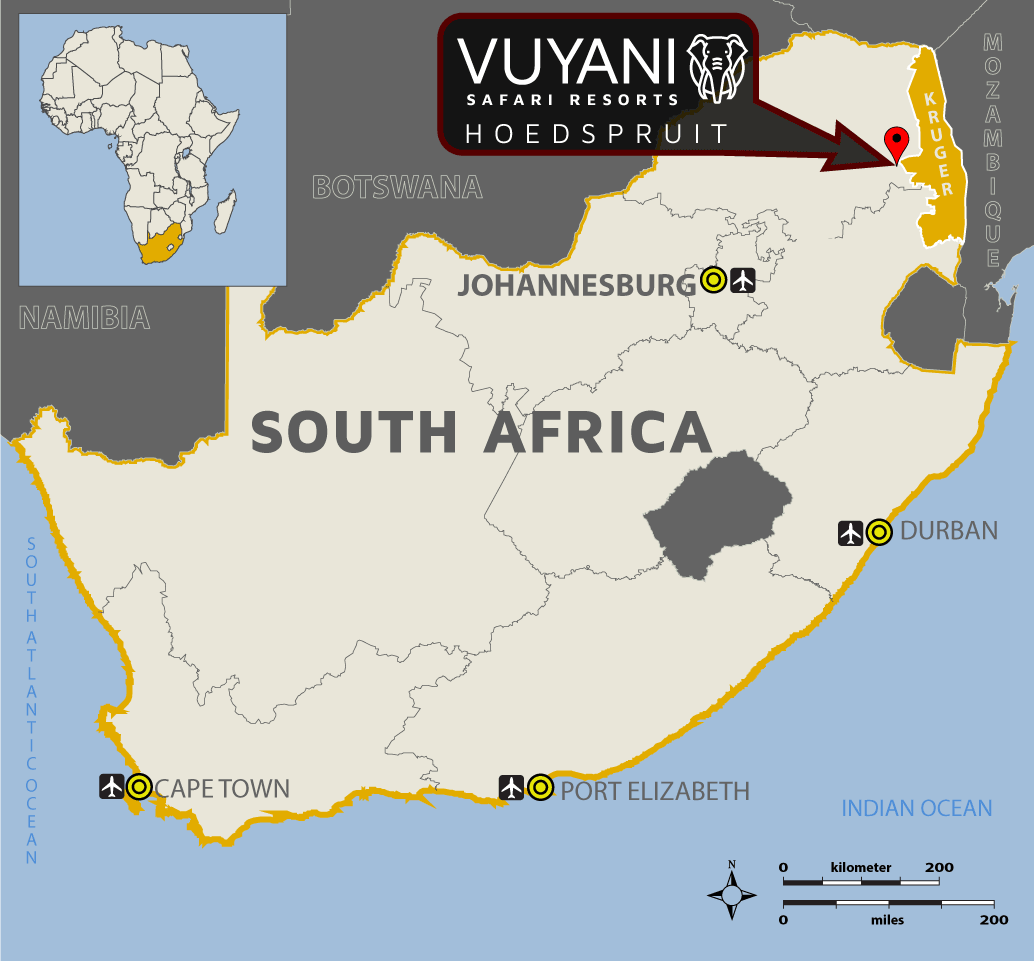
For International Travellers Johannesburg OR Tambo (JNB) is the airport you want to fly to if you visit us.
From here you can choose to either fly on an internal flight to our local airport Hoedspruit (HDS) or, take our very own road transfer from Johannesburg directly to the Lodge!
Insider Tip:There are direct flights between Cape Town and Hoedspruit.
Find out more on our Transfers Page!
 Transfers
 Location
my VUYANI
Check out all Vuyani has to offer

The VIP Experience
Marula Lodge

VUYANI's latest launch!
Private VIP Safari Lodge : Marula Lodge
The perfect family safari solution!
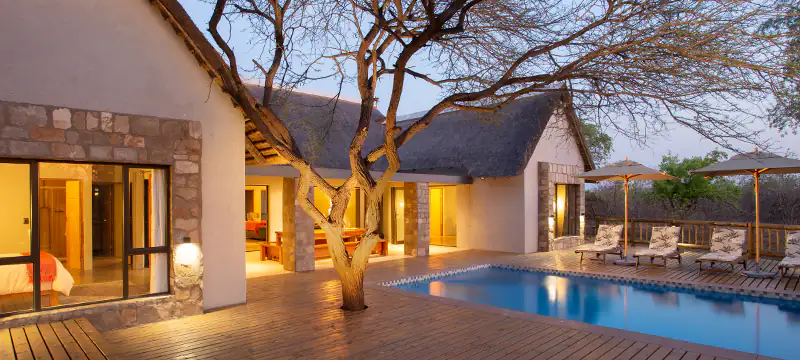
VUYANI is pleased to introduce its newest concept: a private, three bedroom, safari lodge just for you! Perfect for large families or guests requiring exclusivity and total privacy, at great rates!
All-incl for 6 to 7 guests
With fully fledged services and a dedicated team only for you!
NO AGE RESTRICTIONS FOR CHILDREN!
Bunk beds option is available for families with several children sharing rooms.
reviews
What Guests say about Vuyani

Certificate of excellence:
2012 | 2013 | 2014 | 2015 | 2016 | 2017 | 2018 | 2019
TripAdvisor Hall of Fame
Travellers' Choice Winner 2020 | 2021 | 2022 | 2023
PCR TESTING IS AVAILABE AT VUYANI NOW
- MONDAY- FRIDAY: ZAR 1,500 PER PERSON PER TEST
- SATURDAY- SUNDAY: ZAR 1,900 PER PERSON PER TEST
- Covid-19 Guidelines !
- Below you can download a PDF file with our inhouse Covid-19 Guidelines
- Download
 FREE
FREE